Austin Kimberley (1970–1976)
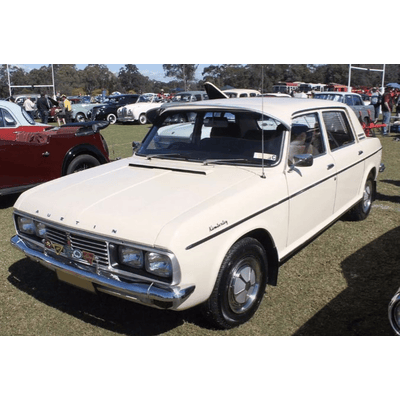
Introduction and Historical Significance
The Austin Kimberley was introduced in 1970 as a large family saloon, produced as part of a collaboration between the British Motor Corporation (BMC) and Australian automotive manufacturer, Leyland. The Kimberley was designed to offer a more luxurious and spacious alternative to the compact cars in the Austin lineup, catering to the needs of families who wanted more room, power, and comfort. It was one of the first Australian-designed cars from BMC following the merger of Leyland and BMC.
With a larger engine and upgraded features, the Kimberley offered a more refined driving experience and was aimed at the middle to upper-class market in Australia and New Zealand. The vehicle’s comfort, luxury, and relatively affordable price helped it become a popular choice for families and executives during the 1970s.
Technical Specifications
- Engine: 6-cylinder, inline
- Displacement: 2.6 liters
- Power Output: 90 horsepower
- Transmission: 4-speed manual
- Chassis: Unibody construction with independent front suspension
- Weight: Approximately 1,200 kg (2,645 lbs)
The Kimberley was powered by a 6-cylinder engine, offering smooth and capable performance for both urban commuting and long-distance travel. The unibody construction helped improve both the car’s rigidity and comfort, providing a stable and enjoyable ride. The suspension system was tuned for comfort, making it a popular choice for long trips.
Variant Timeline
- Austin Kimberley 2200: The standard variant, with a smaller engine and fewer luxury features.
- Austin Kimberley 2600: A more powerful variant with additional features and improved comfort.
The Kimberley was offered in two main variants, with the 2600 being the higher-end option, offering more features and a larger engine for improved performance. Both variants shared similar designs but were differentiated by their engine sizes and luxury appointments.
The Austin Kimberley in New Zealand
The Austin Kimberley was popular in New Zealand, particularly among families and professionals looking for a comfortable and spacious vehicle. The car’s large interior and luxury features made it an appealing choice for those who needed more space, while its relatively affordable price compared to other luxury sedans made it a competitive option in the New Zealand market during the 1970s.
Today, the Austin Kimberley remains a classic vehicle, with a few well-preserved examples found in vintage car clubs and enthusiast circles in New Zealand.