Morris Gipsy (1948–1958)
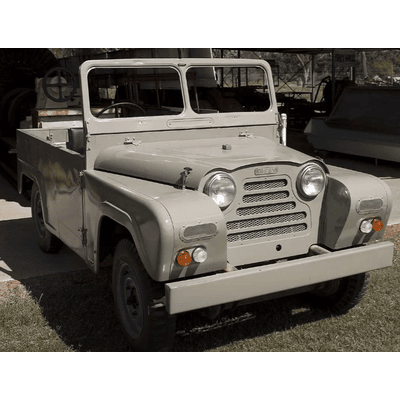
Introduction and Historical Significance
The Morris Gipsy was introduced in 1948 as a light utility vehicle designed for rural and military use. Based on the Morris Series M, the Gipsy was marketed as an affordable and rugged 4x4 vehicle, well-suited for both agricultural and military purposes. The vehicle was designed to be durable and capable of handling rough terrains, offering a practical solution for farmers, businesses, and the military alike.
The Gipsy was notable for being one of the first off-road vehicles in the UK to feature a fully-independent suspension system, making it an agile and dependable vehicle in challenging environments. It was produced in various body styles, including soft-top and hardtop variants, and became popular in markets worldwide, including New Zealand.
Technical Specifications
- Engine: 4-cylinder, inline
- Displacement: 1.5 liters
- Power Output: 50 horsepower
- Transmission: 4-speed manual
- Drive Type: 4x4 (four-wheel drive)
- Weight: Approximately 1,200 kg (2,645 lbs)
The Morris Gipsy was powered by a 4-cylinder engine that provided just enough power for off-road and commercial applications. Its four-wheel-drive system made it an excellent choice for rugged rural and military environments. The vehicle was robust, reliable, and built to handle a variety of tasks, including cargo transport and personnel movement across difficult terrain.
Variant Timeline
- Morris Gipsy Soft-Top: The most common version, with a removable soft top suitable for varied weather conditions.
- Morris Gipsy Hardtop: A more durable version with a permanent hardtop, providing additional protection from the elements.
The Gipsy was available in both soft-top and hardtop variants, with the soft-top being more popular due to its versatility and better suitability for rural and military environments. The hardtop version offered additional weather protection, making it ideal for more severe climates or for commercial use where cargo protection was needed.
The Morris Gipsy in New Zealand
The Morris Gipsy was well-received in New Zealand, where it found applications in both agriculture and forestry. The rugged nature of the vehicle, along with its ability to handle New Zealand's diverse terrain, made it popular among farmers and businesses operating in rural areas.
Today, the Morris Gipsy is a rare find in New Zealand, with a few well-preserved models remaining in vintage car clubs and private collections. It remains a significant part of the history of off-road vehicles in New Zealand.