Austin A135 Princess II (1952–1956)
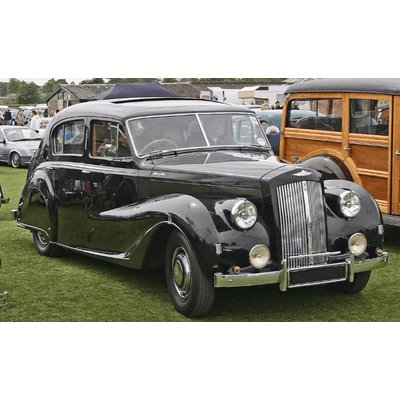
Introduction and Historical Significance
The Austin A135 Princess II was introduced in 1952 as the second iteration of the Austin Princess line, following the success of its predecessor. The A135 was a luxury vehicle designed for the British elite, and it found popularity not only in the UK but also in export markets like New Zealand.
The A135 Princess II was one of the most luxurious vehicles produced by Austin during the post-war period, offering elegance, comfort, and performance. With its large body, powerful engine, and refined features, it became a staple for high-end buyers and was often used as a chauffeur-driven vehicle for business and government officials.
Technical Specifications
- Engine: 6-cylinder, inline
- Displacement: 4.0 liters
- Power Output: 105 horsepower
- Transmission: 4-speed manual
- Chassis: Long wheelbase designed for superior ride comfort
- Weight: Approximately 1,800 kg (3,968 lbs)
The Austin A135 Princess II was powered by a 6-cylinder engine, which provided sufficient power for both city driving and long-distance travel. The vehicle’s suspension system was designed to ensure a smooth, luxurious ride, making it ideal for formal occasions or long drives. With a long wheelbase and spacious interior, it provided ample legroom and comfort for passengers, including those in the rear seats, which often included business executives or dignitaries.
Variant Timeline
- Austin A135 Princess II Saloon: The primary body style, offering a luxurious ride with ample passenger space and comfort.
- Austin A135 Princess II Limousine: A stretched version designed for formal occasions and VIP transport.
The A135 Princess II was available in both a saloon version, which was the most common, and a limousine version, which catered to those who required extra space for formal events or executive transport. The limousine was particularly popular with high-profile individuals and government use.
The Austin A135 Princess II in New Zealand
The Austin A135 Princess II was imported to New Zealand in limited numbers, where it became a symbol of luxury and sophistication. Its refined design and comfort made it particularly popular with high-net-worth individuals and businesses that required a prestigious vehicle for executive transport. Its imposing presence on New Zealand’s roads made it a recognizable symbol of the post-war British luxury car market.
Today, the A135 Princess II remains a rare collector’s item in New Zealand, with some models preserved in vintage car collections and displayed at car shows. The vehicle is considered a classic example of British luxury design from the 1950s.